

If you’ve been wondering how much coaches charge, you’re not alone.
Whether you’re a beginner coach building your first offer or someone who’s been serving for a while but still feels unsure about pricing, I want to help you find a number that feels fair, aligned, and rooted in the transformation you deliver.
In this guide, I’ll walk you through coaching prices, coaching pricing strategies, and how to move past the fear of charging for your work without feeling salesy.
I’ll also share how to create offers that feel good to you and your clients, so you can grow a sustainable coaching business from the very beginning. Let’s do it.
Why Most New Coaches Struggle With Pricing
If you’ve ever thought, “Who am I to charge for this?”, you’re in good company.
Most beginner coaches wrestle with fear of charging, imposter syndrome, and the belief that they need to feel 100% confident before setting a price.
When I was starting out, I had the same thoughts. I remember thinking, “Why would someone listen to me when they could listen to Tony Robbins?”
That voice was loud, especially when I started The Mindset Mentor podcast. If I had listened to it, I wouldn’t be here today with over 350 million downloads and more than 330,000 people’s lives changed through over a decade of coaching.
Here’s the mindset shift that changes everything:
You’re not an imposter, you’re a beginner. And beginners get better by doing.
Confidence isn’t a personality trait you’re born with; it’s a skill set you build. You don’t wait until you feel ready to start charging.
You charge, you show up, and over time, you build confidence as a coach through action and follow-through.
If you truly have zero experience and just decided on your coaching niche, I do recommend offering free coaching to one or two people, tops (not ten, not twenty).
This is something I encourage inside the Business Breakthrough Family (BB Family), because landing that very first coaching client, even for free, is a huge win.
We celebrate it not for the sake of it, but because it’s a milestone that proves you can guide someone, hold space for their growth, and start building the foundation for your coaching journey. Once you’ve done it once, you know it’s possible, and that changes everything.
But here’s the key: don’t stay in free mode for long. When people aren’t financially invested, they often don’t show up as fully, and you miss the chance to learn how to work with paying clients.
Start small, then move to a lower introductory rate, and keep adjusting as your skills grow.
🎧 Want to grow your confidence faster? Listen to my episode and learn simple, practical steps to trust yourself and step into your role as a coach:
Why Undercharging Can Hurt Your Clients
When you charge far less than your work is worth, you’re not doing your clients a favor. People value what they invest in, financially and emotionally.
Premium clients tend to commit more, engage more, and follow through on the work because they have something meaningful at stake.
And it’s not just about them, it’s about you, too.
When a client invests at a higher level, you naturally show up with more intention, preparation, and energy.
That’s why I don’t encourage free sessions for months on end: the coaching relationship works best when both sides are fully committed.
My job isn’t to do something to someone, it’s to do something for them. I’m helping them step into a transformation they’ve chosen.
And when someone says, “I don’t know how much it is, but I want to work with you,” I know I’ve attracted the right kind of person, someone ready to change their life.
How to Price Your Coaching Offer With Confidence
Pricing doesn’t need to be complicated. You can start simple, serve deeply, and grow your coaching business sustainably.
Start With a 1:1 Offer (Not a Course)
When I started, I focused on one-on-one coaching, and I recommend you do the same. You don’t need a fancy course or group program to begin.
Choose a session length (30, 45, or 60 minutes) and meet at the same time each week. Remember: transformation happens over time, not in four quick sessions.
Create a Package, Not Just a Single Session
One-off sessions can lead to surface-level change. Instead, create pricing coaching packages, for example, a 3-month or 6-month container. This allows for consistent accountability and deeper breakthroughs.
Think of the Chinese bamboo: it grows unseen underground for years before shooting up 80 feet in six weeks. Your clients’ growth often works the same way, and your offer should give them the space for that growth.
🎧 Think success should happen faster? In my episode The Truth About Overnight Success, I break down why lasting results take time, and how to stay committed even when growth feels slow. Listen here:
Use Value-Based Pricing (Not Time-Based)
Rather than charging strictly per hour (how much do life coaches charge per hour), I set my prices based on the outcome I help clients achieve. This is called value-based pricing.
Here’s an example: If a client invests $2,000 in a 3-month program and, through our work, lands a $10,000 contract, was the value in the 12 hours we met during these 3 months… or in the transformation that made that contract possible?
When you think this way, you stop trading minutes for money. Ask yourself: “What would I have paid five years ago to know what I know now?”
What to Do If You’re Scared to Raise Your Prices
Almost every coach inside the BB Family has faced that moment where they knew their work was worth more, but fear held them back.
It’s one of the most common topics in our coaching calls, and the conversations we have around it are powerful.
Here’s the truth: confidence follows action. You don’t get confident first and then raise your prices, you raise them because you’ve done the work, learned from experience, and delivered results.
If you’ve been coaching for six months or a year, you’re not the same coach you were when you started.
You’ve learned more, refined your process, and likely invested in yourself through trainings and mentorships.
All of that makes you a better coach, and your prices should reflect the value you now deliver.
Vanessa said it perfectly in one of our sessions:
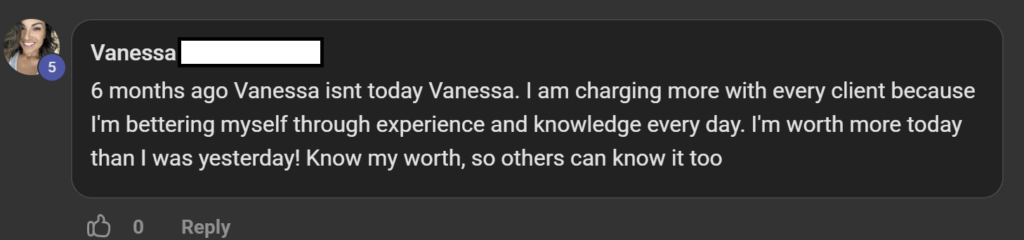
“Six months ago Vanessa isn’t today Vanessa. I’m charging more with every client because I’m bettering myself through experience and knowledge every day. I’m worth more today than I was yesterday!”
And it’s not just about you, it’s about building the business and life you want. Samantha shared:
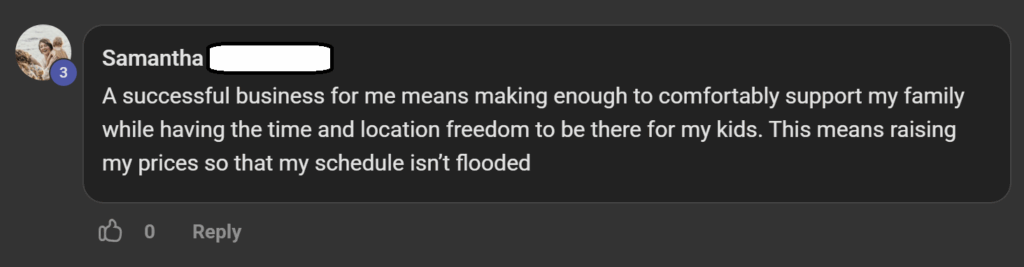
“A successful business for me means making enough to comfortably support my family while having the time and location freedom to be there for my kids. This means raising my prices so that my schedule isn’t flooded.”
Michael brought another layer to this:
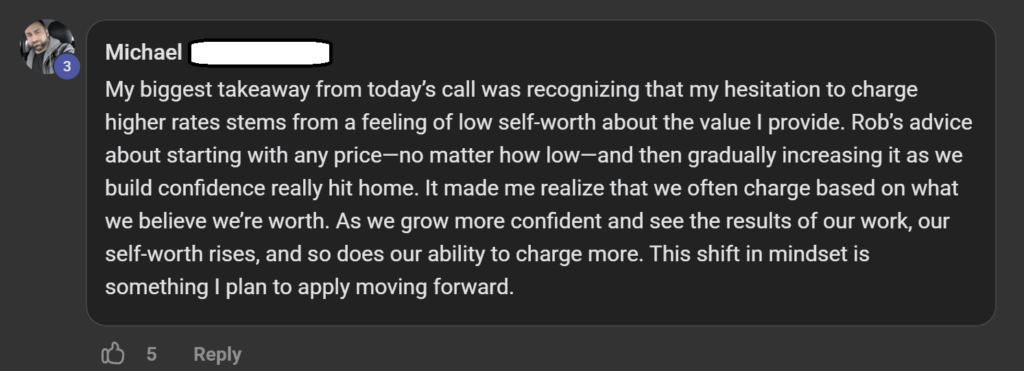
“My biggest takeaway from today’s call was recognizing that my hesitation to charge higher rates stems from a feeling of low self-worth about the value I provide. Rob’s advice about starting with any price—no matter how low—and then gradually increasing it as we build confidence really hit home. It made me realize that we often charge based on what we believe we’re worth. As we grow more confident and see the results of our work, our self-worth rises, and so does our ability to charge more. This shift in mindset is something I plan to apply moving forward”
So, to sum up: raising your prices isn’t about greed. It’s about keeping your rates in step with the expertise, energy, and results you now deliver.
And as these BB Family wins show, when you honor your worth, you create a business that supports not just your clients’ transformation, but your own freedom and sustainability too.
Real Talk: What I Recommend to New Coaches
Here’s what I tell beginner coaches who are figuring out their pricing:
Charge what feels fair but challenges you. Do some benchmarking, aka, look at what other coaches in your niche are charging (sometimes they share that at their social media profiles), check online coaching platforms, and get a sense of the range. But ultimately, the decision is yours.
Offer 10% off if they pay in full. You’d be surprised how many clients will take this option.
Use a call script, but speak like a human. A script is a guide, not a rigid sales pitch. Know the key points you want to cover, but let the conversation flow naturally.
During a strategy call, listen for alignment. Not everyone deserves to be your client, and that’s a good thing. In enrollment calls, I’m asking myself: Is this person right for me? Am I right for them? If the answer is no, I don’t pressure them. If it’s yes, I invite them in with full confidence.
Remember: your perfect client is probably you five years ago. Speak to them as if you were guiding your past self.
🎧 Want to connect with clients more easily? Check out my episode to learn how to express your value clearly and build trust from the very first conversation. Listen here:
Ready to Confidently Price Your Coaching?
If you want personal feedback on your offer and pricing, book a free 1:1 strategy call with one of my top business coaches.
We’ll walk through your strengths, your roadblocks, and the exact next step for your coaching business breakthrough.
This is the same call that has helped countless BB coaches raise their rates, book premium clients, and design offers they love delivering.
Get your free strategy call here
Pricing your coaching offer isn’t just about picking a number; it’s about understanding your value, building confidence through action, and creating a business that supports both you and your clients.
Whether you’re just starting out or ready to raise your rates, remember: confidence grows with every step you take, and so does your ability to make a real impact.
To your growth,
-Rob
Frequently Asked Questions
1. How much do coaches charge for a 1:1 session?
When people ask me how much do coaches charge for a single coaching session, I remind them that prices vary widely depending on the niche, the coach’s experience, and the transformation offered. I’ve seen beginner coaches charge $50–$100 per session, while experienced coaches may charge $250–$1,000 or more. Personally, I recommend focusing less on the hour and more on the value you bring to your client’s life; that’s how I set my prices.
2. What’s the average coaching package price for beginner coaches?
Most beginner coaches start their coaching packages between $300 and $1,000 for a 3-month program. In the Business Breakthrough Family, I encourage new coaches to pick a number that feels fair but still stretches them a bit. The goal is to start building confidence, get real experience, and then gradually raise your rates as your skills and results grow.
3. How do I know if I’m charging the right price for my coaching services?
If you’re delivering real transformation and your clients are showing up, doing the work, and getting results, you’re on the right track. I like to ask myself: “Would I have paid this amount five years ago for what I know now?” Pricing your coaching services should align with the outcome you help people achieve, rather than just the time spent with them.
4. Should I offer free coaching sessions when I’m starting?
If you have zero coaching experience, offering one or two free sessions can be a great way to practice, get feedback, and prove to yourself that you can guide someone through change. But don’t stay in free mode for long. When clients invest financially, they also invest emotionally, and that’s when the real breakthroughs happen.
5. How often should I raise my coaching rates?
In my experience, every time you grow as a coach, through experience, training, or the results you’re creating, your prices should grow too. Many coaches in our BB Family raise their rates every 3–6 months in the early stages, as they gain confidence and refine their process. You’re not just charging for your time; you’re charging for the transformation you make possible.